
Replacing Large Prisons: RESCALED 2026 European Symposium on Detention Houses
Mike Worthington
April 2026
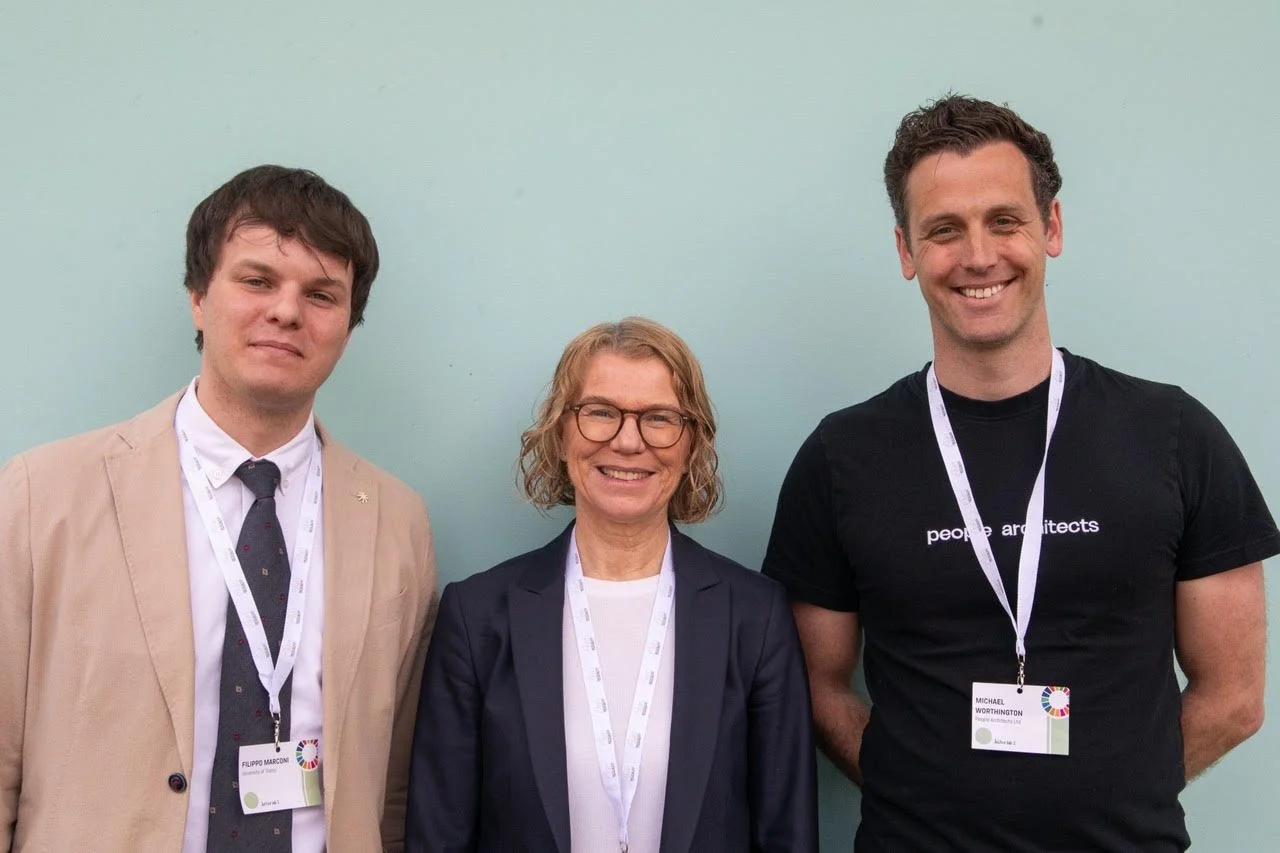
I spent this week in Tirana Albania at the RESCALED European Symposium for Detention Houses. RESCALED challenges the concept of ‘prison’ and proposes the concept of ‘detention houses’ instead. I was invited to come and share my experience of leading the design of Hope Street for One Small Thing. Hope Street is a residential alternative to custody for women and their children sharing similar aims for dignity, well-being, being trauma informed and a healing approach to those in the justice system.
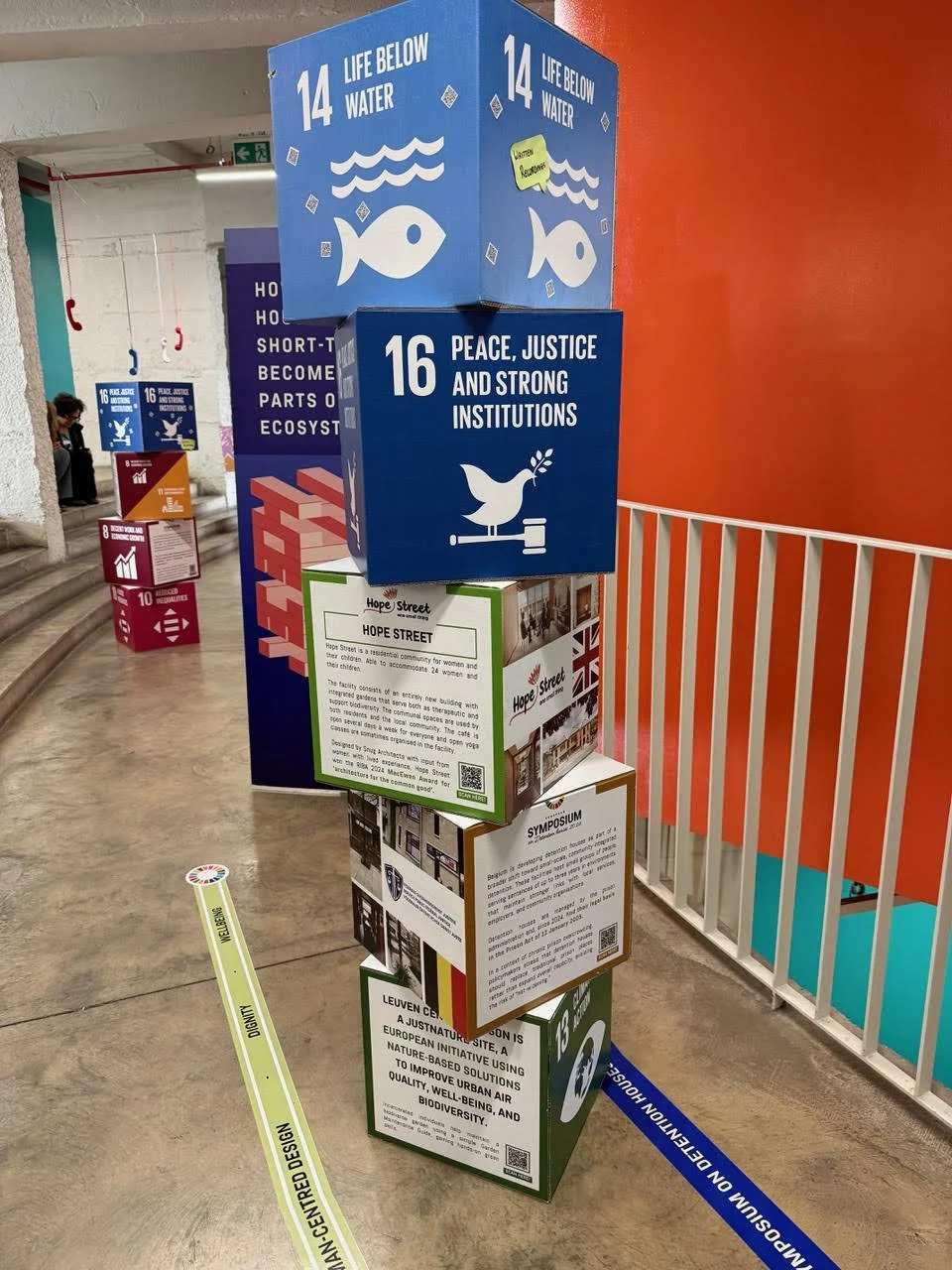
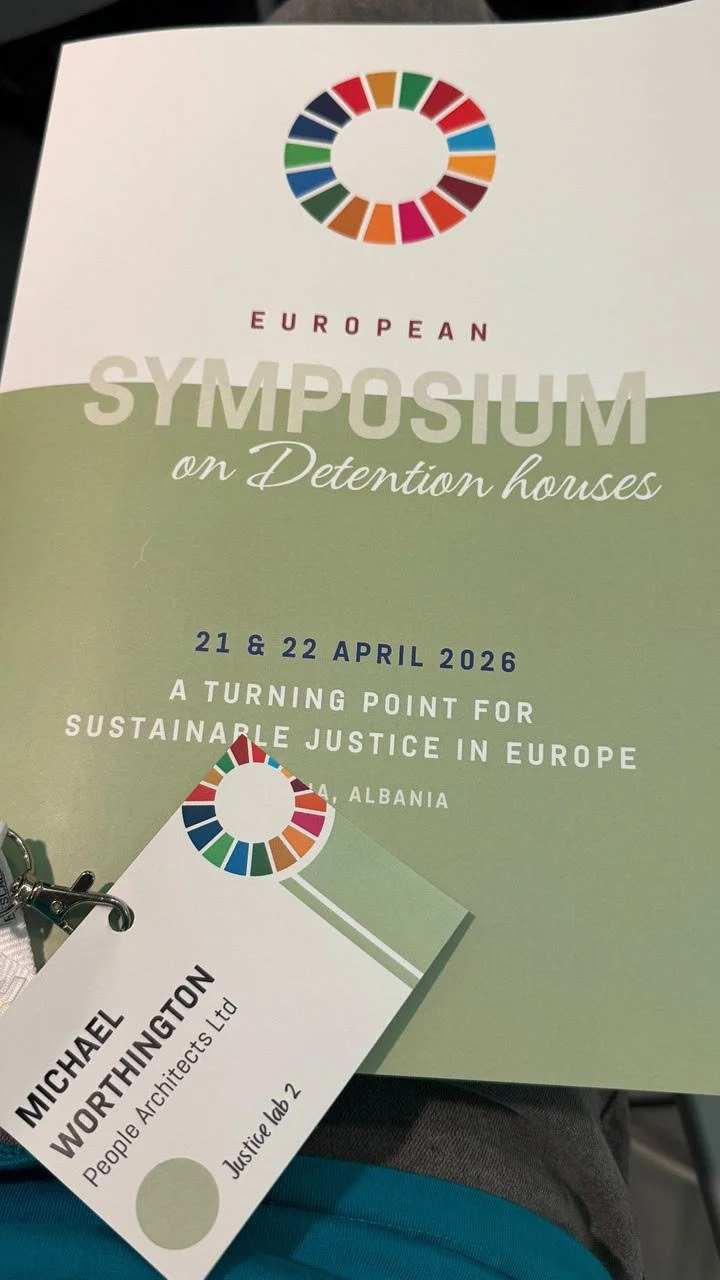
Detention houses defined by RESCALED are ‘small-scale, differentiated and community-integrated. Thanks to these three principles, detention houses contribute to sustainable, safe and inclusive societies’.
It was so encouraging and inspiring to hear from a wide variety of professionals working in the justices sector from research, probation, lawyers, NGOs and other architects from all over Europe.
Roman Beehive
What struck me most was a clear voice on the interrelationship between the needs of the individual and those of society. Justice is needed as part of the social contract. But what is the primary purpose of implementing justice
and what do we seek to achieve through punishment?
Damien Hernon (Director of Oberstown Children Detention Campus, Ireland) shared the famous quote from Marcus Aurelius: ‘What is not good for the beehive cannot be good for the bee’. You cannot separate the individual from the community. Consequently, how we treat the bee will impact the beehive.
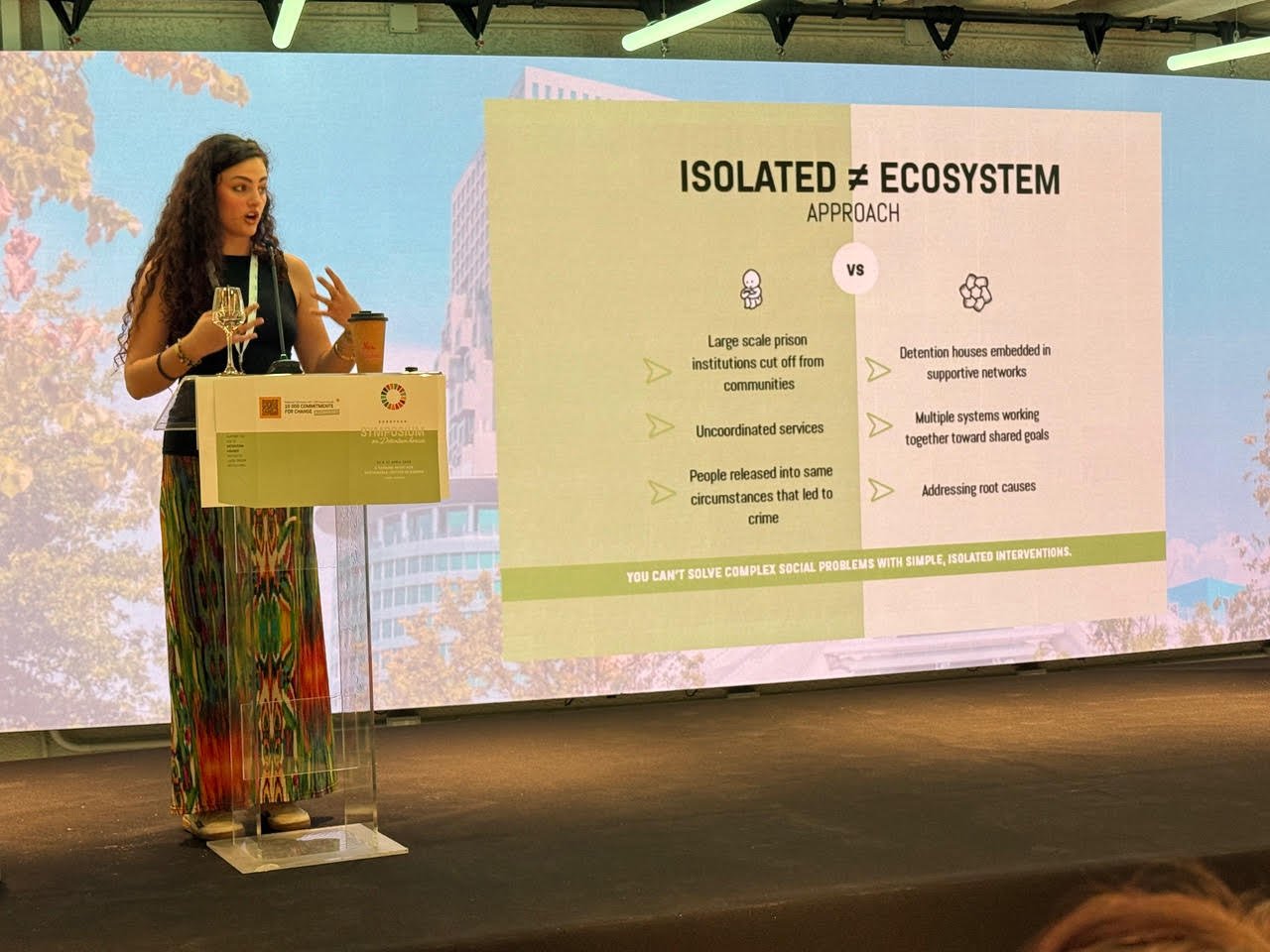
Alessio Scandurra (Director of Research, Associazone Antigone, Italy) described how the creation of large scale prisons removed from society tells prisoners ‘You do not belong’, and perhaps more importantly, tells the community ‘This is not your problem’.
By extension this creates a digital divide between the ‘goodies’ and the ‘baddies’. Not only does this not reflect reality, but it places massive hurdles in the way to future reintegration. Removing the problem from sight does not solve it, but returns it with interest gathered from the harm inflicted in the process.
Pope’s Prison Visit
Just before I turned my phone on to airplane mode on the way home I scrolled to a BBC News article reporting on Pope Leo’s visit to Bata Prison in Equatorial Guinea.
He said true justice ‘seeks not so much to punish as to help rebuild the lives of victims, offenders and communities’. ’To be effective, however, it must always promote the dignity of every person’.
It may be that the pontiff not only has more to say on theology than some politicians, but that he also has valuable contributions to make on how we treat people in the justice system.
Role of Architecture
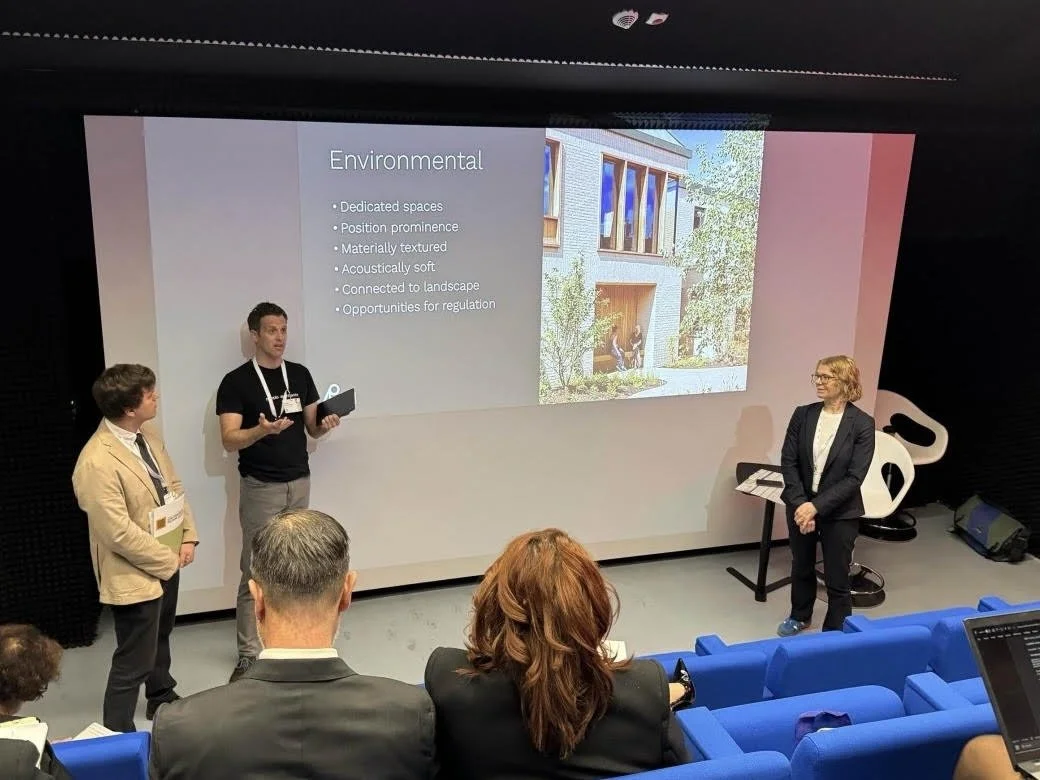
As an architect I see the power for the role of architecture in how it ‘frames relationships’. The mission at People Architects is for architecture to serve people. At the symposium there was a universal consensus that the relationships between people was the primary factor in rehabilitation but that this could not be divorced from the architectural environment.
Whilst this may be true everywhere, there is perhaps nowhere else where architecture can have such a visceral impact as in detention.
1000 Houses commitment
So I came away from Albania with a renewed sense of opportunity and purpose for how architecture can serve others.
RESCALED launched their campaign to replace 100 large scale prisons, with 1000 detention houses through 10,0000 commitments.
In signing I have committed to ‘reimagining detention through design, engaging in dialogue and sharing design experience with others’.
Lets frame positive relationships together.