
Mike Worthington
June 2026
Patience. Perseverance. Perspiration. Planning. Permission.
It is easy to say that the planning system is broken. Broken or otherwise, it is certainly exhausting!
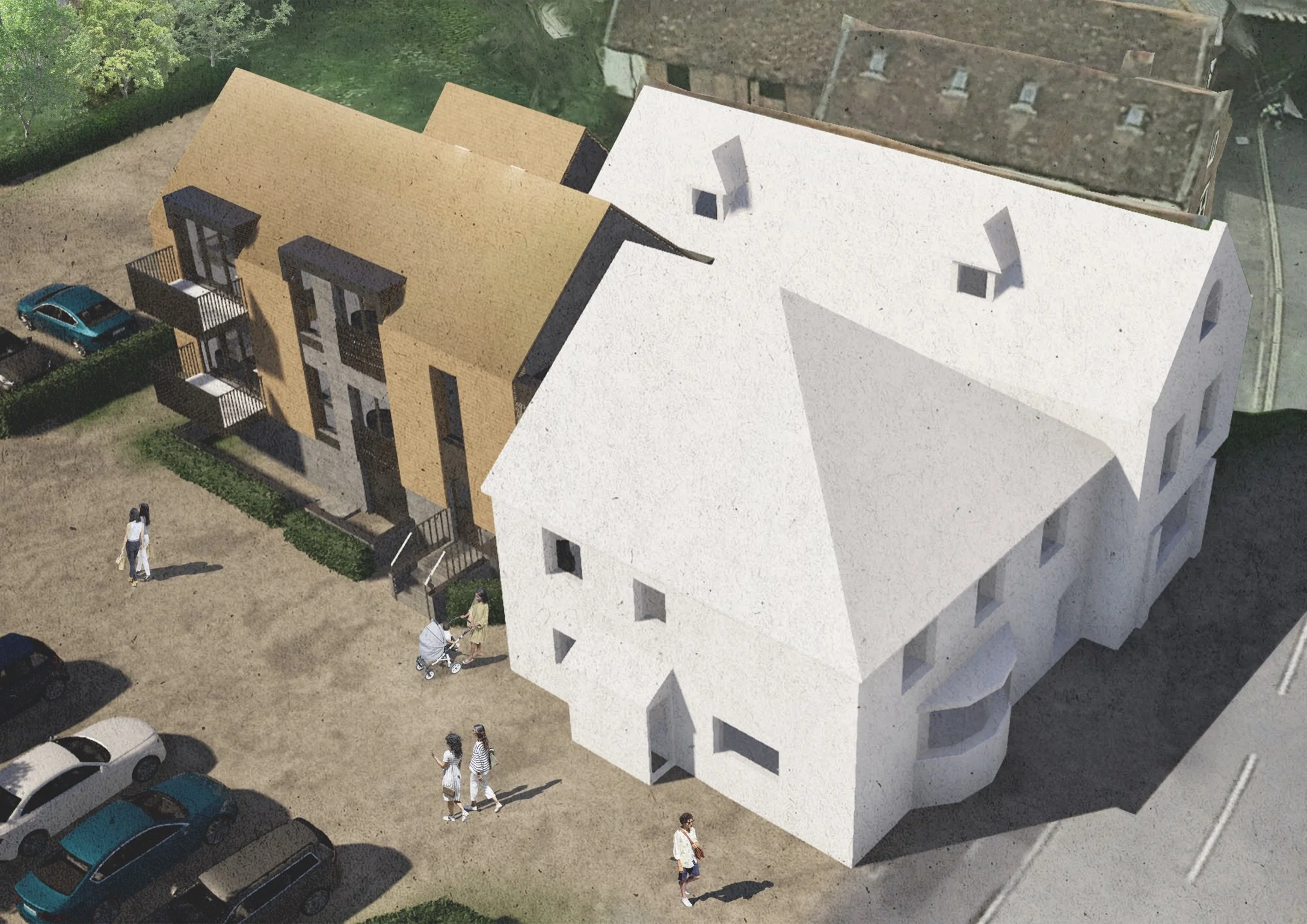
After 20 months from validation to decision, People Architects has secured planning permission at the former Anchor Inn on Test Lane, Southampton.
The site presented several hurdles. No longer commercially viable, grade 2 listed, BNG, constant site vandalism, next to an elevated bypass, in a tidal flood zone, an area of poor values yet with great views. The listed fabric needs repair, new custodians and occupation.
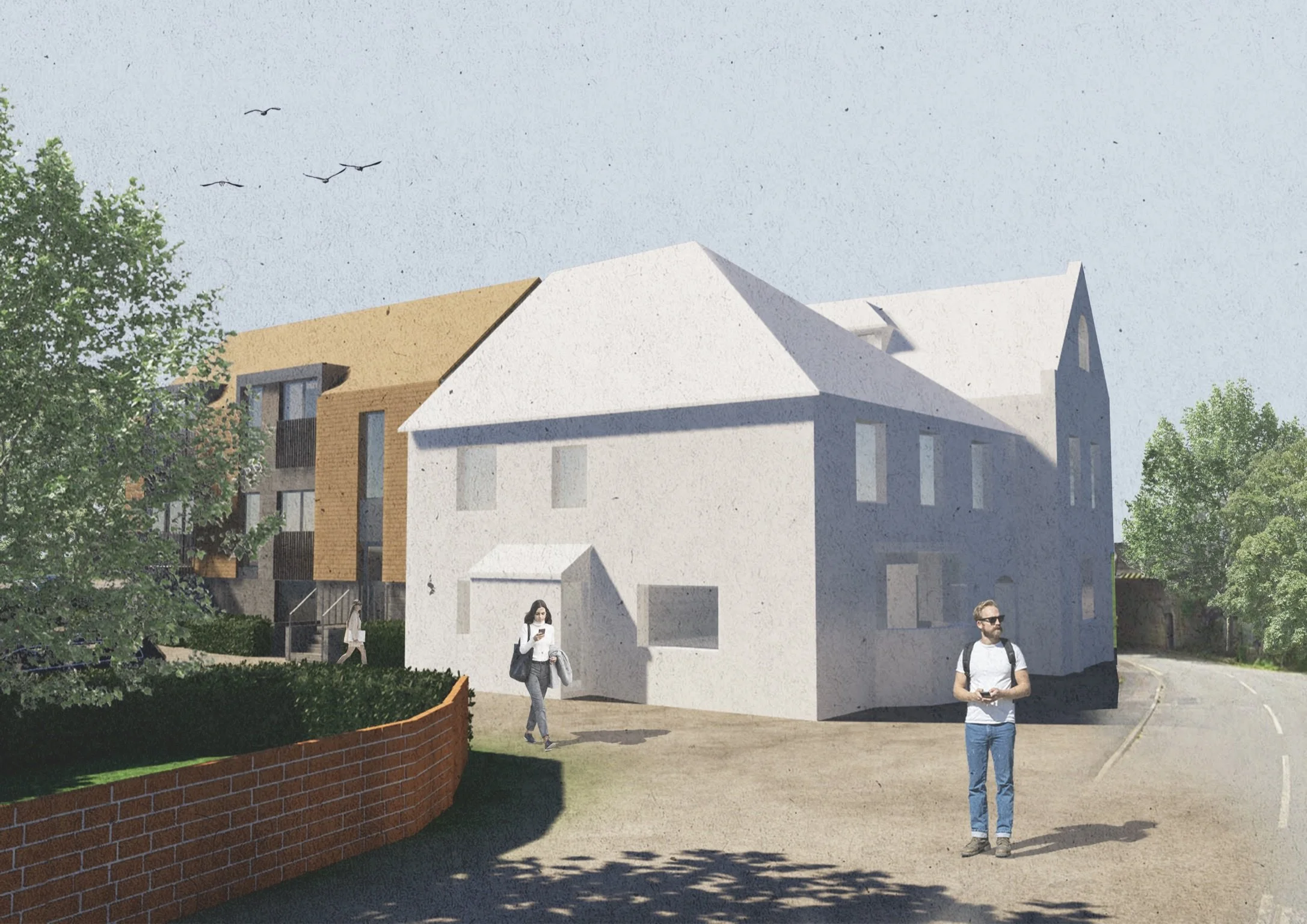
Our initial proposal reused the low-lying ground floor of the pub for commercial purposes. Upper floors contained a single large residential flat that would be subdivided and together with a rear extension, would offer 5 flats.
In a context of predominantly bungalow houses this raised all residential flats by 3m to above 1 in 100 year predicted flood levels. However, despite satisfying the Environment Agency, planning support for residential usage of the site was pulled 6 months into the application and following a residential led pre-planning application.
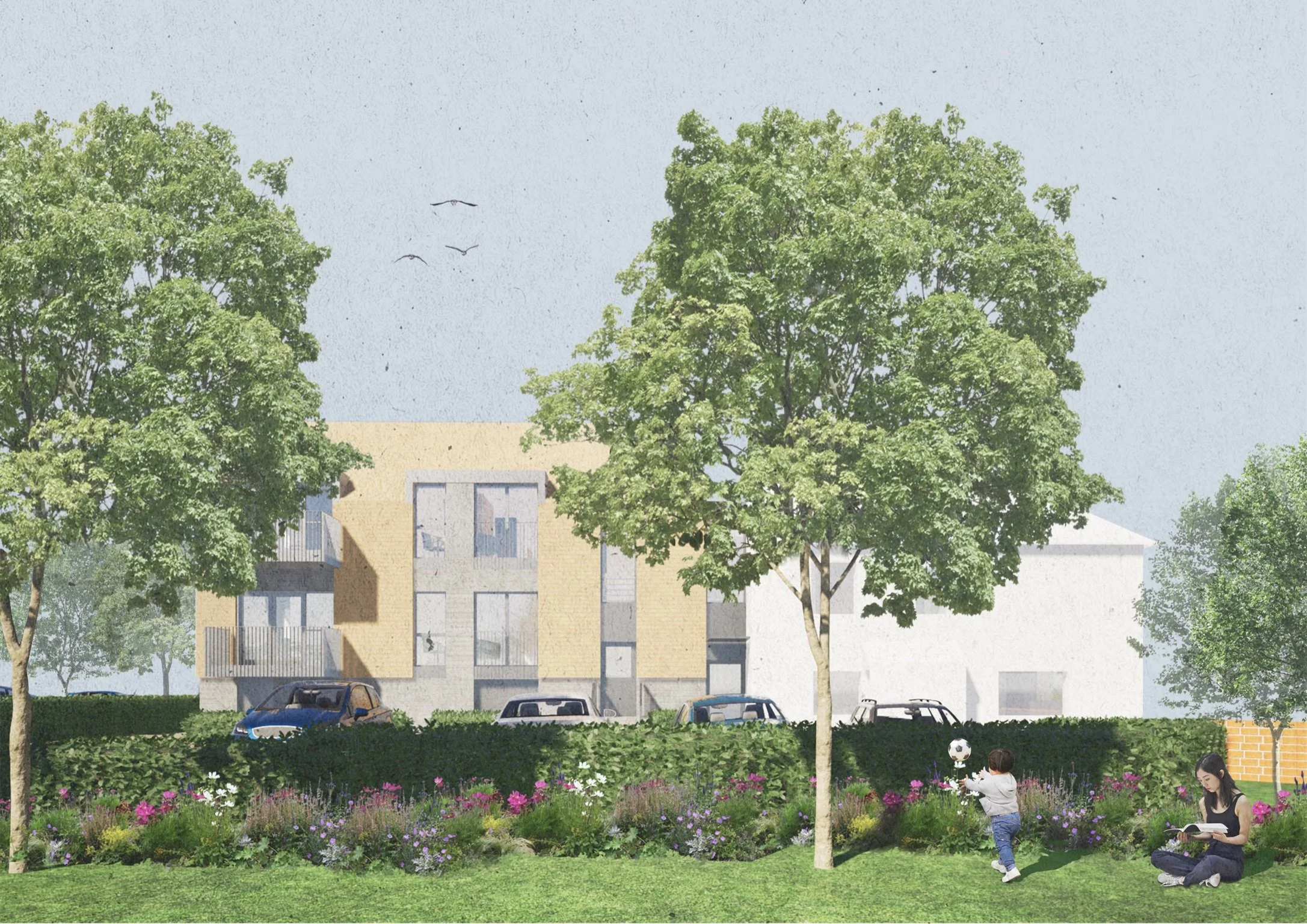
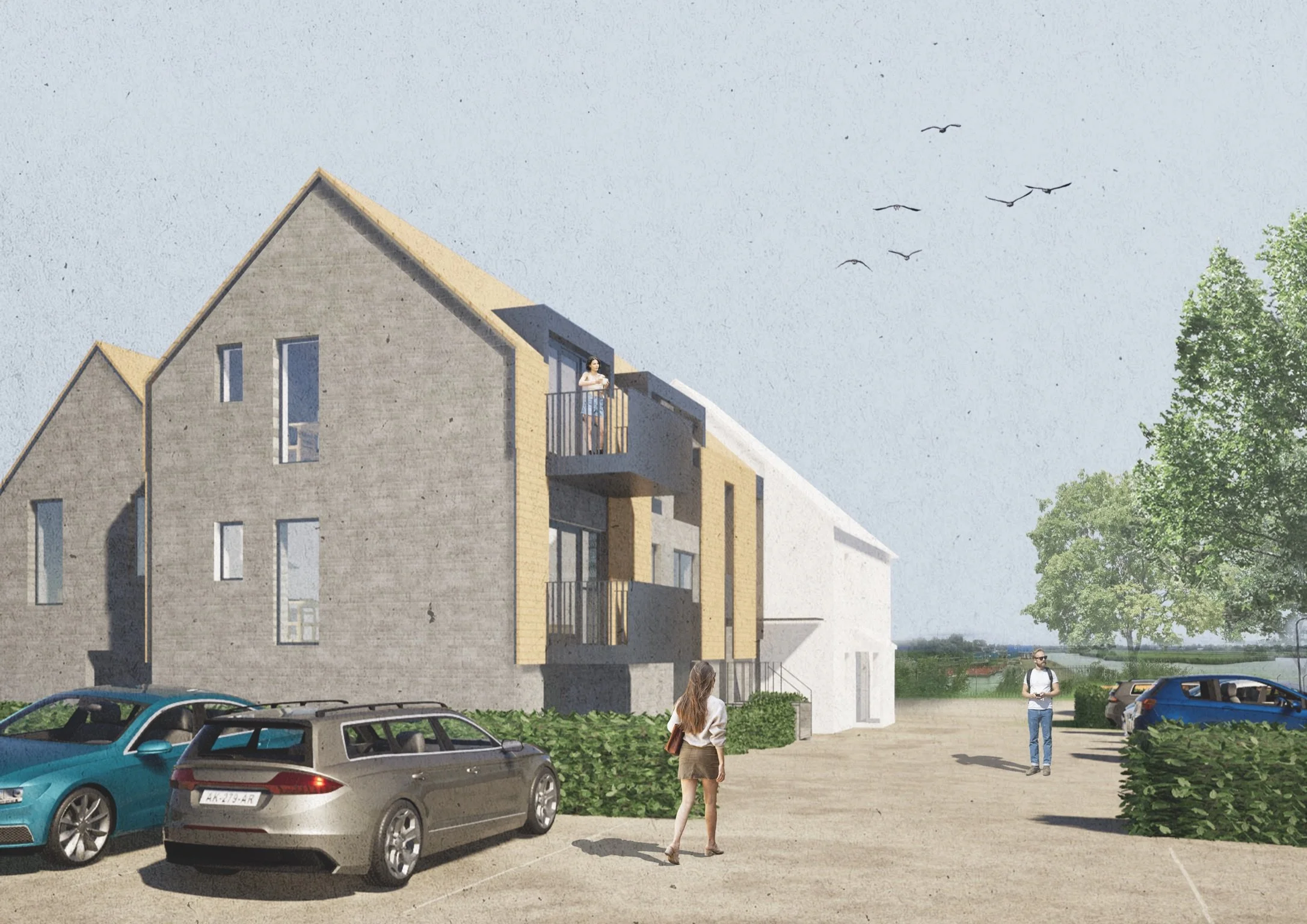
After securing a stay of execution from refusal, we adapted the application to eventually land with a tightened commercially led scheme retaining 2 flats, dividing usage between the front existing structure and the new rear extension.
We often deal with great individuals in the planning system, including the case officer in this instance, but the system as a whole can be bureaucratic and painfully slow.
It is a hard fight to avoid slipping into a cynical mindset. People Architects are collaborative by nature, working with people to create architecture for people.
Yet the maxims ‘the bird that chirps loudest’, ‘if you don’t ask you don’t get’, ‘everything is a negotiation’ are also true. Like procurement, the spirit of collaboration should prevail, but applying appropriate pressure and critical judgement remains necessary to get things across the line.
So, is protecting our listed fabric important, yes.
Is providing biodiverse habitats important, yes.
Is ensuring we have flood resilient structure and neighbourhoods, yes.
Is it important that we protect our community assets, yes.
Can we always fully satisfy each consultee and remain commercially viable, no.
Can we provide housing if small applications take nearly 2 years to determine, no.
We must apply balance, pragmatism and realism to the planning process. There must be limitations to ‘better late than never’. Planners must be able to make decisions on reasonable information or the friction in the system will not achieve presumption in favour.
It feels like we have been wading through the planning system even more than future occupants will need to wade through tidal waters!
Reenergised from securing approval, we are now looking forward to delivering a robust and sensitive design that will be a positive development in Redbridge.