Case Study - Hope Street Southampton
Location: Southampton
Type: New build
Service: Architecture - Women’s Residential Community
This project was completed whilst at Snug Architects.
Hope Street provides a trauma informed alternative to custodial prison sentences for women and their children. As an entirely new approach to working with justice involved women, Hope Street has been conceived as a home rather than as an institution. The aim is to work with women through a compassionate therapy led approach in a healing environment that allows them to undertake community service, gain life skills, and equip them to live independently in society.


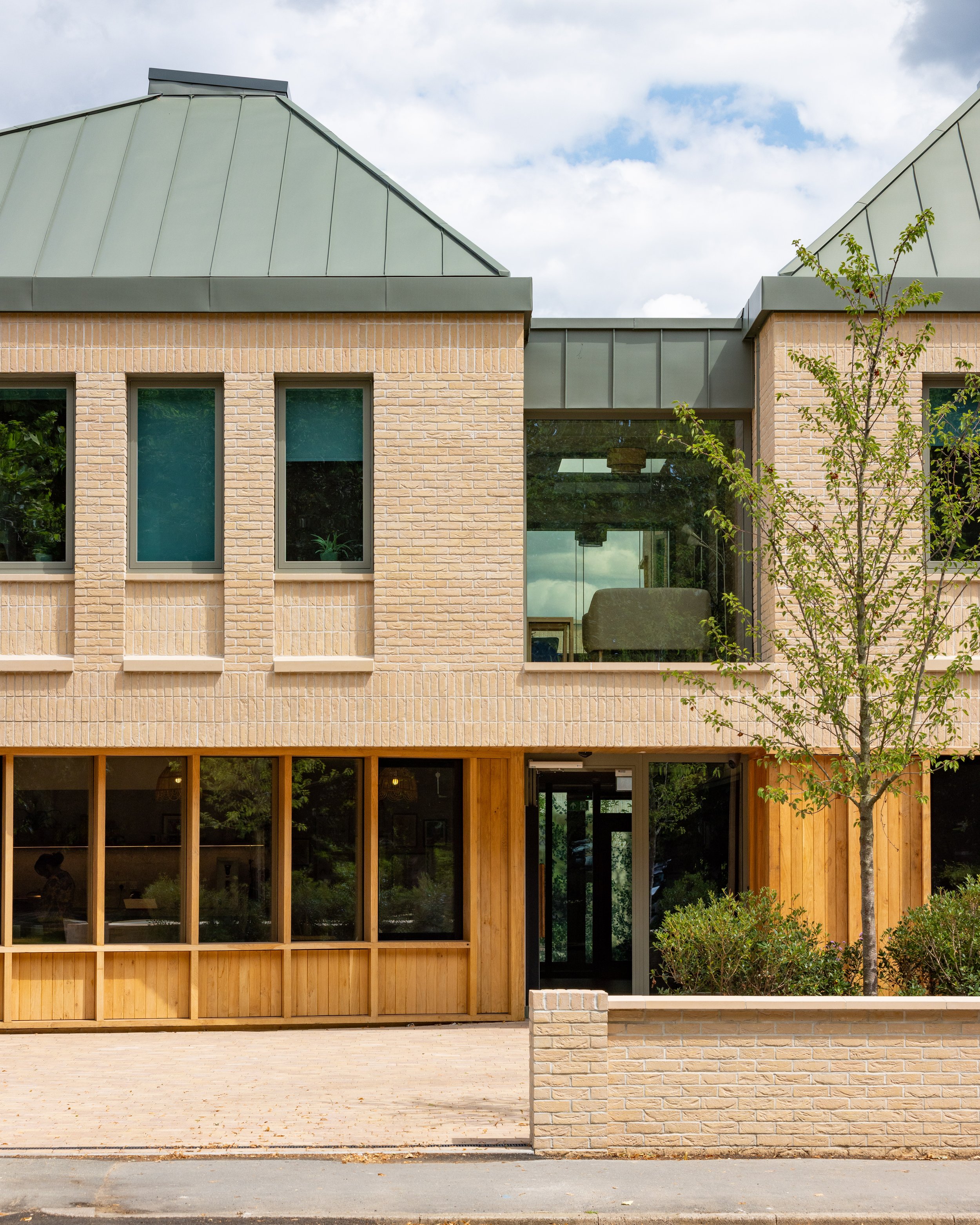

The Hub contains a coffee shop, activity rooms counselling space, shared communal lounges, offices and a recovery suite. Conceived as three informal domestic brick houses, it reinforces the invitation to the women residents to make themselves at home and belong. Dedicated creche facilities ensure Hope Street is a home for children who arrive with their mother.
The residential building contains 8 shared flats for up to 24 women and their children. Deck access provides natural surveillance of communal spaces, avoiding the need for intrusive surveillance systems that erode trust. Women are given a key to their own flat sharing kitchen/dining/living spaces. Bedrooms are located at the rear providing sanctuary and privacy for residents.
A therapeutic garden between the buildings is part of the holistic approach to a restorative environment, placing landscaping at its heart. The layout provides for communal gathering and individual places of retreat and reflection around the central River Birch tree representing hope.
‘The responses to the building carry on being overwhelmingly impressive and positive, often with people not quite believing it. What you have designed is truly wonderful.’
Lady Edwina Grosvenor, Founder of One Small Thing
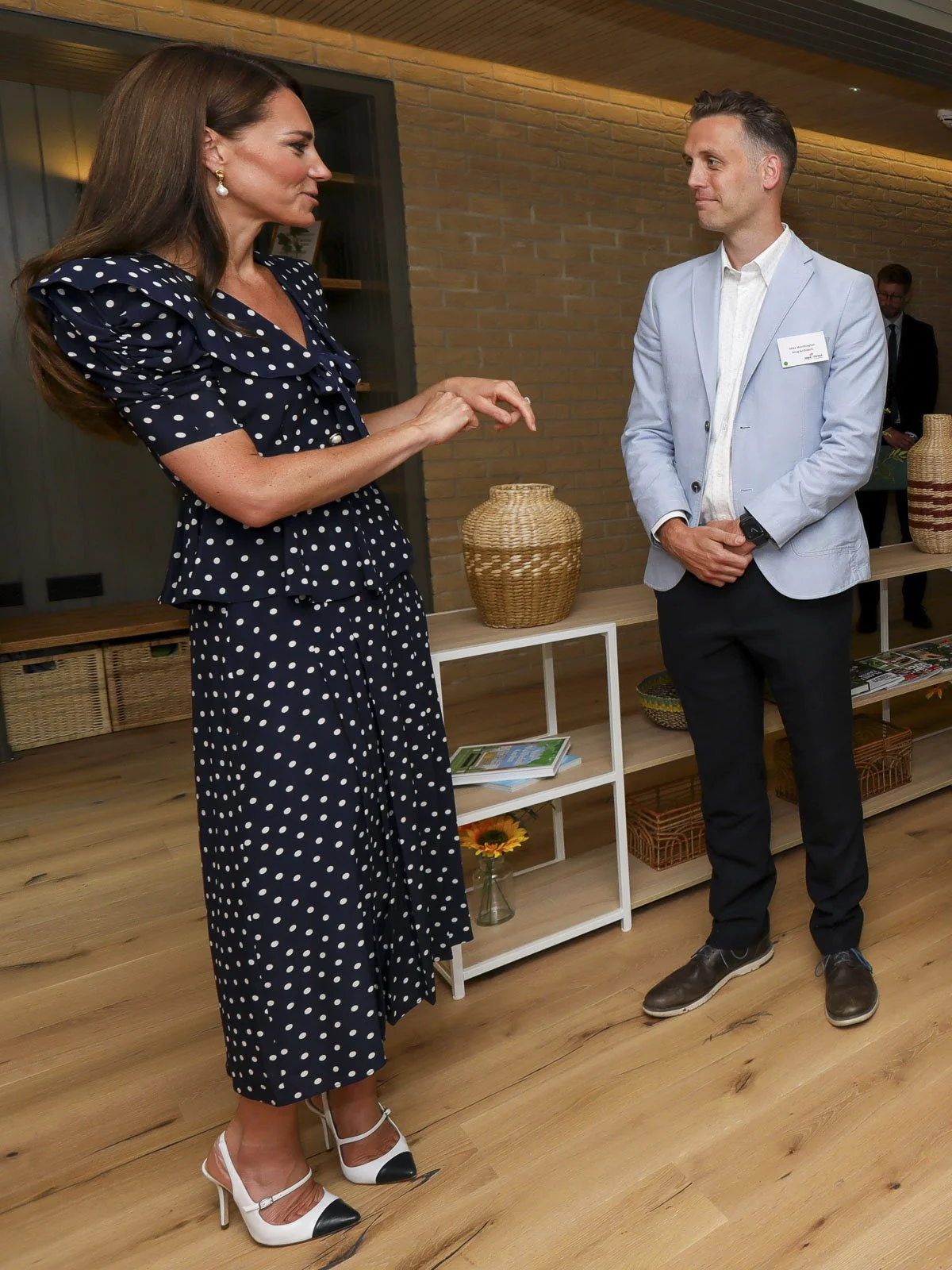
Hope Street was designed following several consultations with women that have lived experience of the justice system, ensuring the design developed out of a trauma informed and gender specific process. The building avoids known triggers of justice institutions and promotes trust and relationship between the women and One Small Thing staff.
One Small Thing chose to pursue a BREEAM Outstanding target and adopted a cross laminated timber frame that drastically reduces the embodied carbon of the scheme. The exposed CLT in the counselling spaces is part of a textured biophilic approach to internal and external materials. High levels of natural daylight are provided alongside privacy, safety and sanctuary requirements.
‘Mike demonstrated a willingness to really understand the brief. He had really done his homework.’
Lady Edwina Grosvenor, Founder of One Small Thing
Hope Street balances the need for secure accommodation to keep the women residents safe from unwanted visitors, whilst also remaining present in society. The public coffee shop and activity spaces root the building in the local community and the open frontage presents a positive but respectful contribution to the street scene.
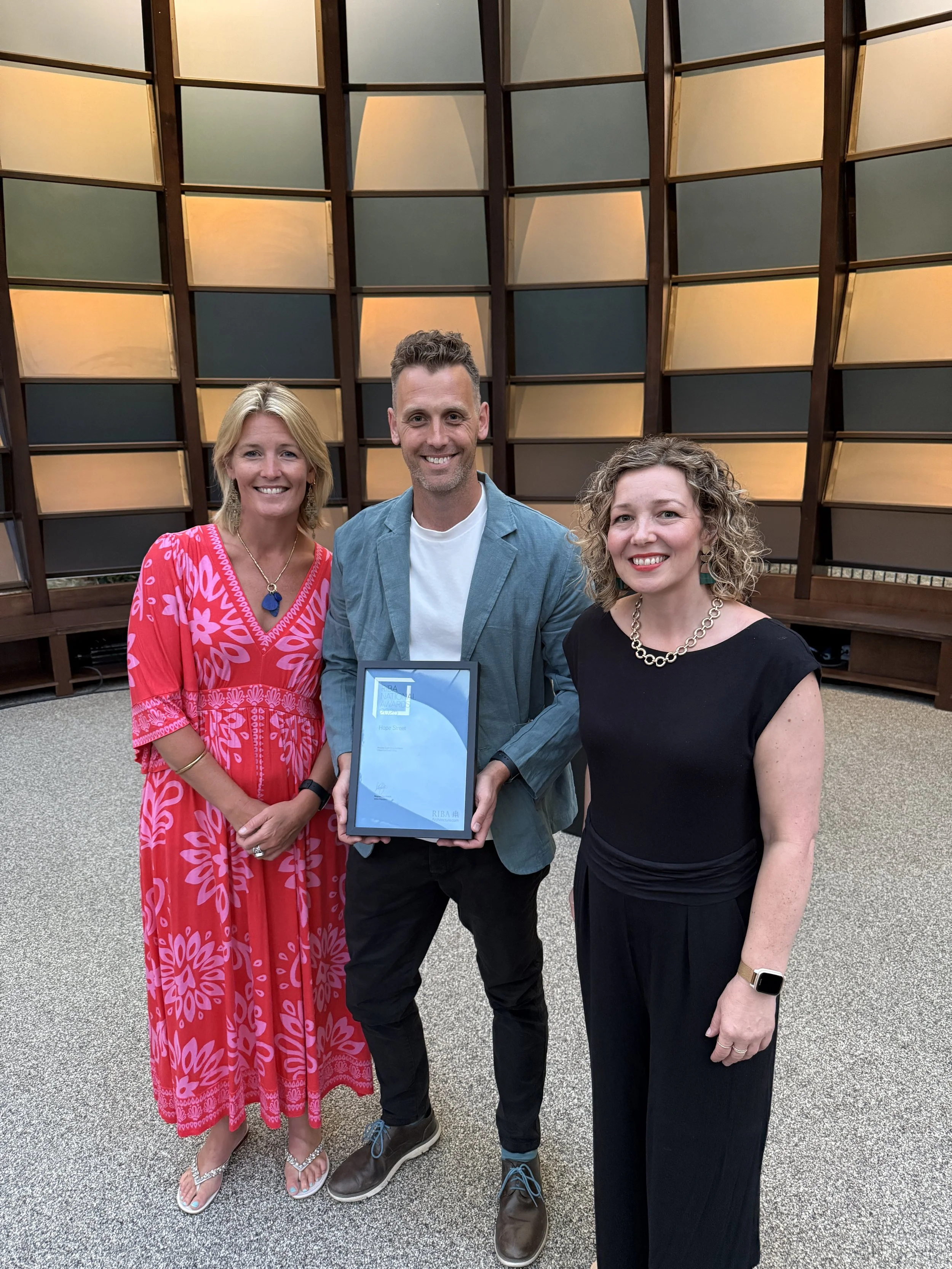
The project has won several architectural awards including RIBA South, RIBA National, Civic Trust, and RIBA Journal MacEwen Award. As part of the service run by One Small Thing, it is demonstrating a viable and better alternation for women and their children in the justice system and presents a replicable model for the future.
‘Hope Street is the only project that almost had me crying… we hear of the architect as being a doctor of space and this is an example of architecture that is healing people’
RIBA Journal MacEwen Award judge Alex Scott-Whitby